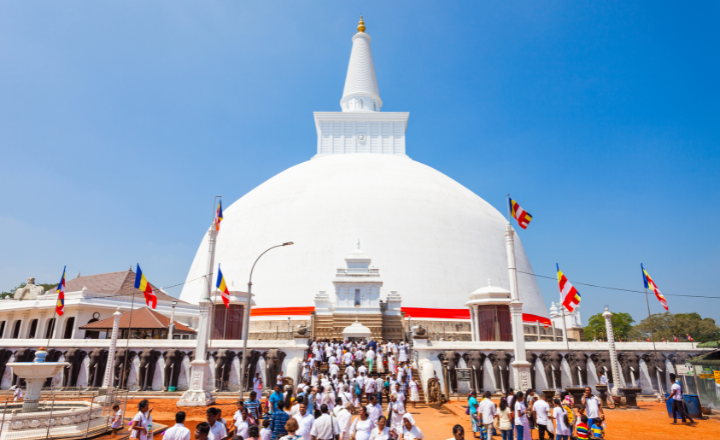
Location of Anuradhapura
The Sacred City of Anuradhapura, located in Sri Lanka’s North Central Province, is one of Asia’s most important archaeological and religious heritage sites. Once the first capital of ancient Sri Lanka (from the 4th century BCE to the 11th century CE), it is home to some of the world’s oldest Buddhist monuments and continues to be a sacred pilgrimage city for Buddhists.
How to Reach Anuradhapura
By Road (Bus / Taxi / Private Car)
• From Colombo, it’s about 205 km (4.5–5 hours) via the A9 Highway or the Kandy Road (A28).
• From Kandy, travel 135 km (3 hours) northward via Dambulla.
• Regular CTB and luxury intercity buses operate daily between Colombo, Kandy, Dambulla, and Anuradhapura.
• Private taxis and car rentals are ideal for flexible sightseeing.
By Train
The Colombo–Anuradhapura railway line is a scenic and comfortable route. Trains run daily from Colombo Fort, Kandy, and Jaffna, stopping at Anuradhapura New Town and Old Town stations, which are close to the archaeological sites.
By Air
Luxury travelers can fly via domestic air taxi services from Colombo (Bandaranaike or Ratmalana Airport) to Anuradhapura Air Base (SLAF) in under 45 minutes. Airport transfers and taxis are available to reach the ancient city.
Top Tourist Attractions in Anuradhapura
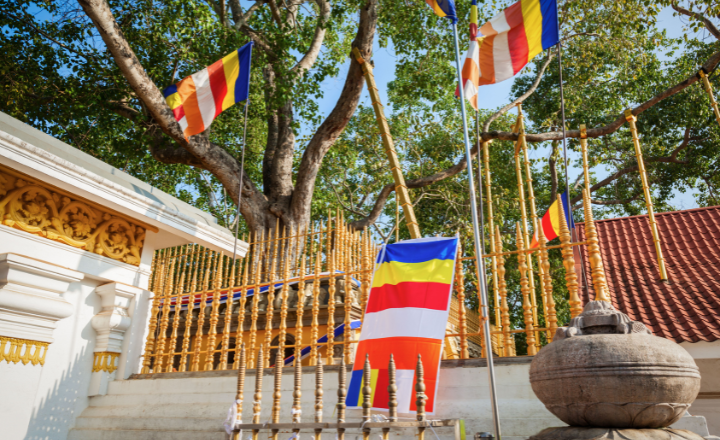
Sri Maha Bodhi Tree (Jaya Sri Maha Bodhi)
The Sri Maha Bodhi Tree (Jaya Sri Maha Bodhi) in Anuradhapura is one of the most sacred Buddhist sites in the world. Brought to Sri Lanka by Princess Sanghamitta, the daughter of Emperor Ashoka of India, in 288 BCE, this sacred fig tree is a direct descendant of the Bodhi Tree under which Lord Buddha attained enlightenment in Bodh Gaya. Surrounded by centuries-old monastic ruins, stone carvings, and golden railings, the site exudes a deep sense of peace and devotion. Visitors can witness traditional rituals, oil lamps, and flower offerings, especially during Poya (full moon) days, when pilgrims gather in reverence. For travelers interested in history, spirituality, and ancient Sri Lankan art, this sacred site offers a truly profound cultural experience.
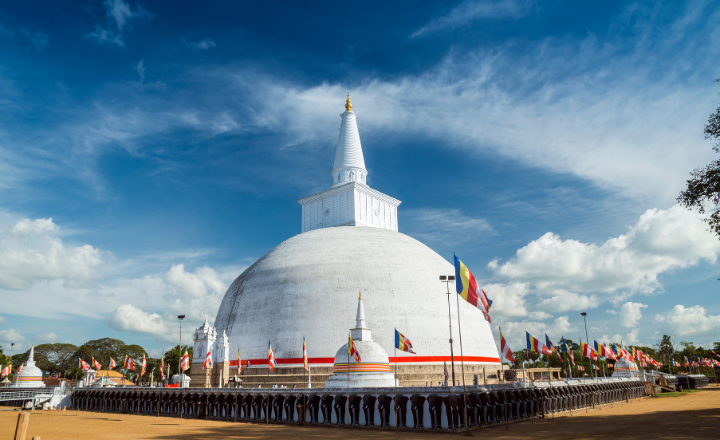
Ruwanwelisaya Stupa
The Ruwanwelisaya Stupa, built by King Dutugemunu in the 2nd century BCE, is one of the most revered and visually stunning monuments in Anuradhapura. Known as the “Great Stupa,” it enshrines sacred relics of the Buddha and stands as a timeless symbol of peace, unity, and devotion in Sri Lanka’s Buddhist heritage. The gleaming white dome, surrounded by intricately carved elephant friezes and stone terraces, reflects the architectural brilliance of ancient Sinhalese craftsmanship. Pilgrims and travelers alike are drawn to its serene atmosphere, especially at sunrise or during religious festivals, when the stupa is illuminated with thousands of oil lamps, creating a truly spiritual and unforgettable sight.
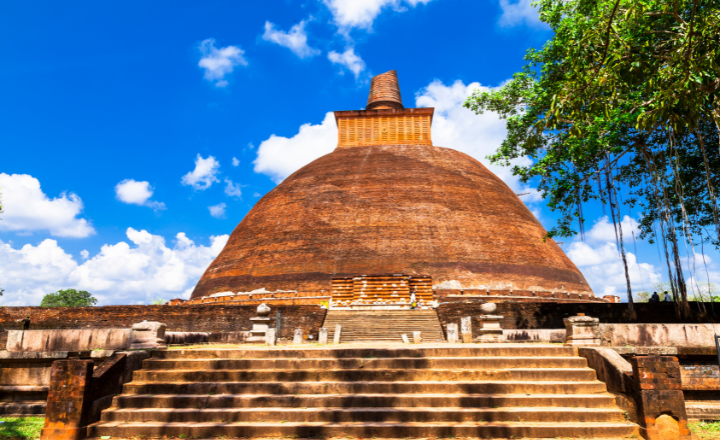
Jetavanaramaya Monastery
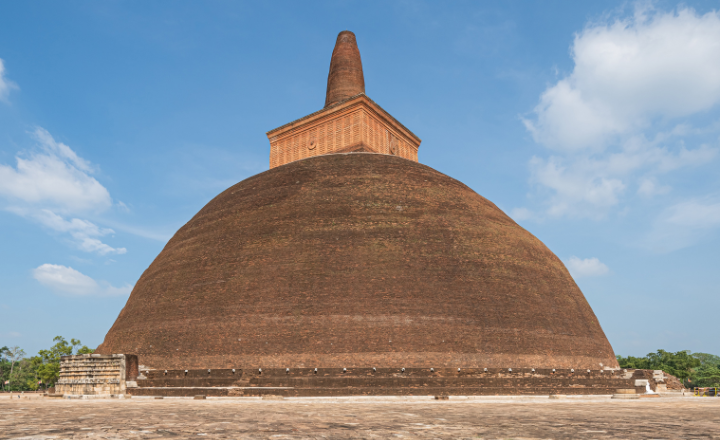
The Jetavanaramaya Monastery in Anuradhapura is one of Sri Lanka’s most awe-inspiring ancient sites, built by King Mahasena in the 3rd century CE. Once rising to 122 meters, the Jetavanaramaya Stupa was the tallest brick structure in the ancient world and remains a marvel of engineering and devotion. The complex once served as a vibrant center for Buddhist learning, housing over 3,000 monks and containing meditation halls, image houses, and relic chambers. Today, visitors can explore its massive brick dome, intricate carvings, and archaeological ruins, offering a glimpse into the spiritual and architectural sophistication of ancient Sri Lankan civilization.
Abhayagiriya Monastery Complex
The Abhayagiriya Monastery Complex, founded by King Valagamba in the 1st century BCE, was one of the most influential monastic universities in ancient Anuradhapura. Spanning nearly 200 hectares, it served as a major center of Buddhist scholarship and attracted monks from across Asia. The site features the towering Abhayagiri Stupa, once standing at over 100 meters, along with stone-carved moonstones, guard stones, bathing ponds, and the renowned Samadhi Buddha Statue. Today, visitors can walk through its peaceful ruins, admire the refined stone craftsmanship, and immerse themselves in the grandeur of a bygone era that shaped Sri Lanka’s religious and cultural identity.
Thuparamaya Dagoba
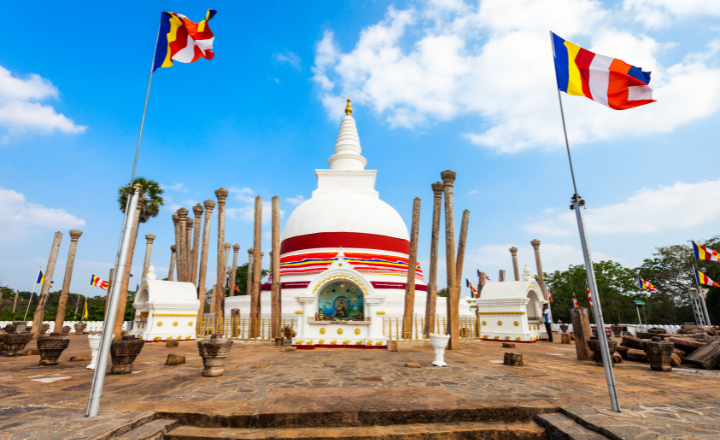
The Thuparamaya Dagoba, built by King Devanampiyatissa in the 3rd century BCE, is revered as Sri Lanka’s first Buddhist stupa, marking the introduction of Buddhism to the island. Enshrining the Buddha’s collarbone relic, this sacred site holds immense spiritual and historical significance. Its distinctive bell-shaped structure, surrounded by stone columns that once supported a circular roof, reflects the simplicity and elegance of early Buddhist architecture. Located within the Sacred City of Anuradhapura, Thuparamaya is a must-visit for travelers seeking to explore the origins of Buddhism and ancient Sri Lankan art and design.
Isurumuniya Temple
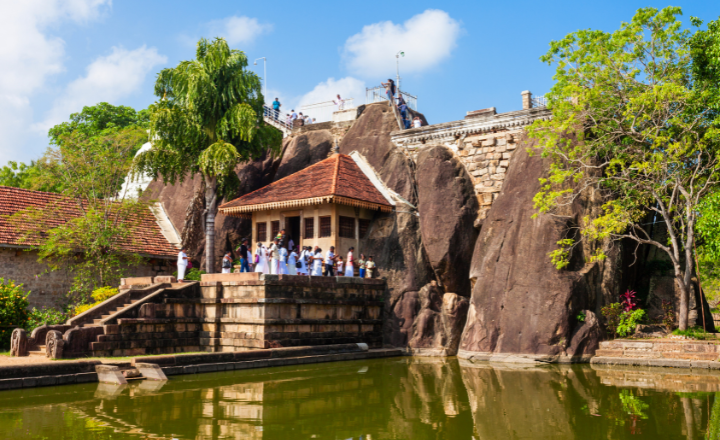
The Isurumuniya Temple, often called the Temple of Lovers, was built by King Devanampiyatissa in the 3rd century BCE to house 500 newly ordained monks. Renowned for its exquisite stone carvings, including the famous Isurumuniya Lovers, Elephant Bath, and Royal Family Panel, the temple beautifully showcases the artistry of the Anuradhapura period. Nestled beside the tranquil Tissa Wewa Lake, the site combines spiritual serenity with natural beauty, making it a favorite among both pilgrims and history enthusiasts. Visitors can explore its rock-cut shrine, ancient sculptures, and panoramic views from the rock summit, offering a perfect blend of history, art, and peaceful reflection.
Twin Ponds (Kuttam Pokuna)
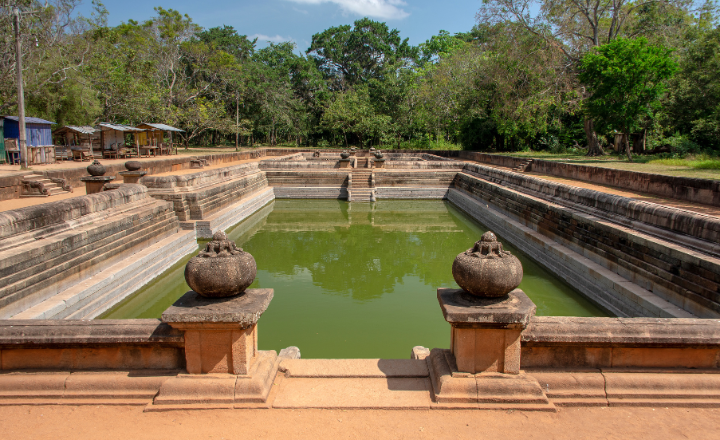
The Twin Ponds (Kuttam Pokuna) in Anuradhapura are among the finest examples of ancient Sri Lankan hydraulic engineering. Built during the Abhayagiri Monastery period, these twin bathing pools were used by Buddhist monks for ritual cleansing and daily use. The ponds are celebrated for their perfect symmetry, granite craftsmanship, and the ingenious underground filtration system that kept the water clean and fresh. Surrounded by stone steps and ornamental carvings, the site offers visitors a glimpse into the technological sophistication and aesthetic sensibility of early Sri Lankan civilization — a must-visit for those interested in architecture, archaeology, and ancient engineering marvels.
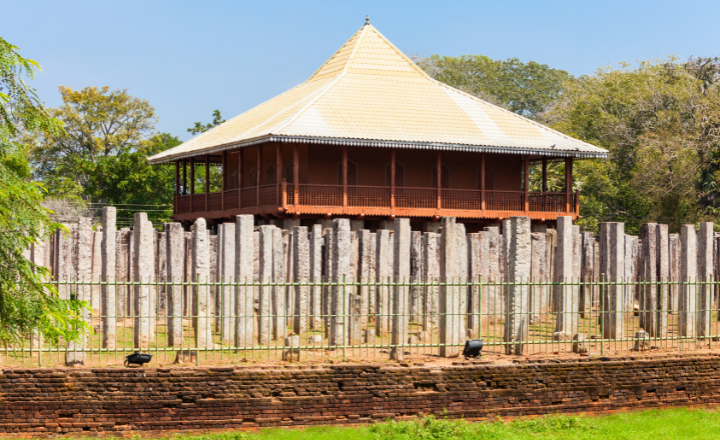
Lovamahapaya (Brazen Palace)
The Lovamahapaya (Brazen Palace), built by King Dutugemunu in the 2nd century BCE, was an architectural marvel of ancient Anuradhapura. Once a majestic nine-story structure with a bronze-tiled roof that shimmered in the sun, it served as the residential and administrative complex for monks of the Mahavihara Monastery. Supported by 1,600 beautifully carved stone pillars, the palace is believed to have contained 1,000 rooms and meditation halls, showcasing the grandeur and sophistication of early Sri Lankan engineering and design. Today, visitors can walk among the remaining pillars — a powerful reminder of the glory, scale, and artistry of Sri Lanka’s ancient Buddhist civilization.
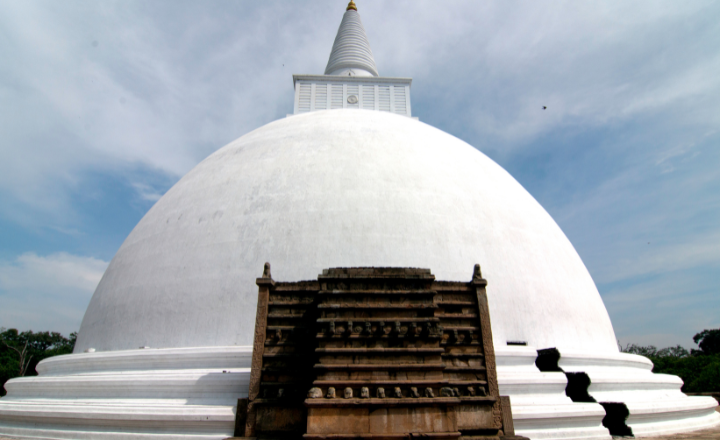
Mirisawetiya Stupa
The Mirisawetiya Stupa, constructed by King Dutugemunu in the 2nd century BCE, commemorates his victory in uniting Sri Lanka under one kingdom. This sacred stupa, with its elegant dome and imposing height, reflects the grandeur of ancient Sinhalese Buddhist architecture. Over centuries, it has been restored multiple times, allowing visitors to appreciate both its historical significance and architectural resilience. Today, pilgrims and tourists come to admire its serene surroundings, spiritual ambiance, and impressive stone craftsmanship, making it a key destination for those exploring Anuradhapura’s heritage sites.
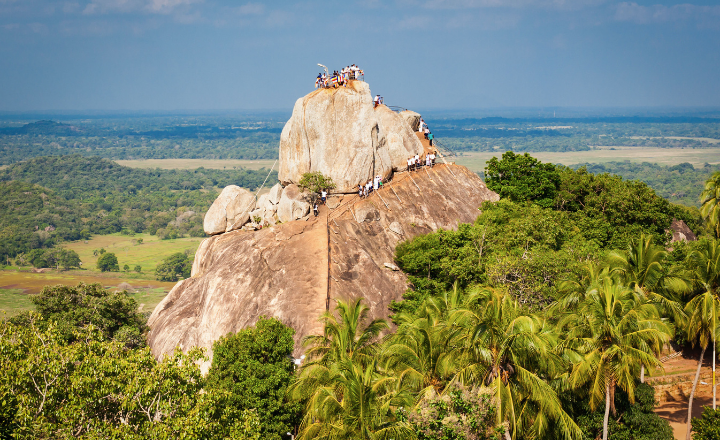
Mihintale (Nearby Attraction)
Mihintale, located just 12 km east of Anuradhapura, is regarded as the birthplace of Buddhism in Sri Lanka, where Arahat Mahinda introduced the teachings of the Buddha in the 3rd century BCE. This sacred mountain is dotted with ancient stupas, monasteries, meditation caves, and stone inscriptions, reflecting the spiritual and architectural legacy of early Sri Lankan Buddhism. Visitors can climb 1,840 granite steps to reach panoramic viewpoints offering stunning vistas of the surrounding plains. Mihintale offers travelers a unique blend of history, spirituality, and scenic beauty, making it a must-visit for those exploring Sri Lanka’s Cultural Triangle.
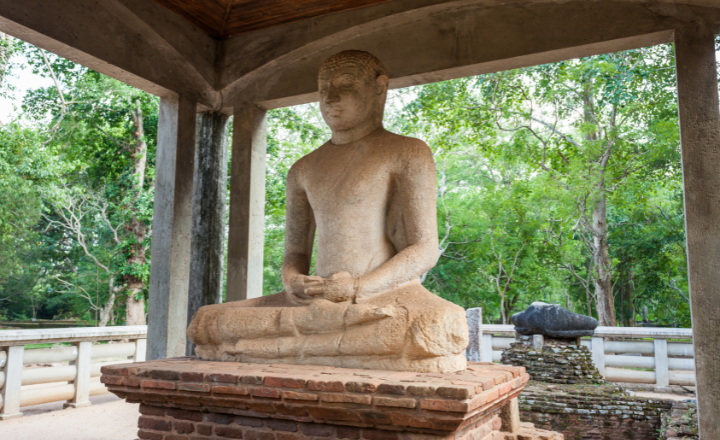
Samadhi Buddha Statue (Nearby Attraction)
The Samadhi Buddha Statue, located in Anuradhapura, is a masterpiece of ancient Sri Lankan sculpture and one of the most revered symbols of Buddhist meditation. Carved from a single limestone block in the 4th or 5th century AD, it depicts the Buddha in the Dhyana Mudra (meditation posture), embodying serenity, enlightenment, and spiritual focus. The statue is surrounded by the peaceful ruins of Mahamevnawa Gardens, which include ancient monastic buildings and stone carvings, offering insight into Anuradhapura’s religious and artistic heritage. Visitors can experience a sense of tranquility, historical depth, and artistic brilliance, making it a must-visit site for those exploring Sri Lanka’s Cultural Triangle.
Best Time to Visit Anuradhapura
The best time to visit Anuradhapura is during the dry season from May to September, when the skies are clear and ideal for exploring ruins and temples.
• December – April: Mild weather, lush landscapes, perfect for photography.
• May – September: Warm and dry — best for long sightseeing days.
• October – November: Intermittent rain, fewer crowds, and vibrant greenery.
If you wish to experience local culture, visit during Poson Poya (June), when thousands of pilgrims gather in Anuradhapura to celebrate the arrival of Buddhism to Sri Lanka. The entire city lights up in devotion, making it an unforgettable event.
Visitor & Travel Tips
• Dress modestly when visiting temples (white attire is common).
• Carry a hat, umbrella, and plenty of water – it can get hot while exploring ruins.
• Rent a bicycle or tuk-tuk to move between the vast archaeological sites.
• Respect temple customs – never turn your back to Buddha statues.
• Visit early morning or evening for cooler weather and softer lighting.
• Combine your visit with nearby Mihintale, Wilpattu National Park, or Dambulla Cave Temple for a complete Cultural Triangle Sri Lanka experience.
Why Visit Anuradhapura in 2026?
In 2025, as global interest in cultural and spiritual tourism grows, Anuradhapura Sri Lanka stands as a crown jewel for heritage travelers. Its ancient monasteries, sacred relics, and colossal stupas transport visitors back to the dawn of civilization.
Whether you’re an archaeology enthusiast, photographer, pilgrim, or family traveler, the city offers a perfect blend of spirituality and history — a must for your Sri Lanka travel guide 2025.
Anuradhapura also forms a key part of the Cultural Triangle Sri Lanka, connecting Sigiriya, Polonnaruwa, and Dambulla, making it an essential stop for every cultural traveler.
Conclusion
If you are traveling through the cultural triangle Sri Lanka, make sure to include Pidurangala Rock Sri Lanka in your itinerary. From the awe-inspiring Pidurangala sunrise view to the adventurous climb and the panoramic Pidurangala Rock Fortress view, it’s a destination that offers history, culture, and unforgettable scenery.
Whether you are traveling from the UK, EU, USA, the Middle East or Asia, adding Pidurangala to your Sri Lanka travel guide 2025 ensures an experience you will treasure forever.
Hotels Near Anuradhapura (3–5 Star Rated)
Here are some of the best-rated hotels offering comfort, culture, and relaxation near the ancient city:
• Ulagalla Resort by Uga Escapes (★★★★★) – A luxurious eco-resort with private plunge pools and authentic Sri Lankan charm.
• Forest Rock Garden Resort (★★★★★) – Architecture inspired by ancient monasteries, offering a serene forest setting.
• Palm Garden Village Hotel (★★★★) – A tranquil resort surrounded by gardens, close to archaeological sites.
• Rajarata Hotel (★★★★) – Elegant modern property with pool and excellent dining options.
• Heritage Hotel Anuradhapura (★★★★) – Perfectly located with scenic lake views and comfortable rooms.
• Miridiya Lake Resort (★★★) – Budget-friendly resort with lakeside dining and traditional décor.
• The Sanctuary at Tissawewa (★★★) – Colonial charm near major stupas and temples.
• Alakamanda Hotel (★★★) – Boutique hotel ideal for peaceful stays amidst greenery.
• Avasta Resort and Spa (★★★★) – Modern comfort meets Ayurvedic wellness.
• Grand Crown Hotel (★★★) – Centrally located, offering value and convenience for cultural travelers.